
Currently Empty: ₹0.00
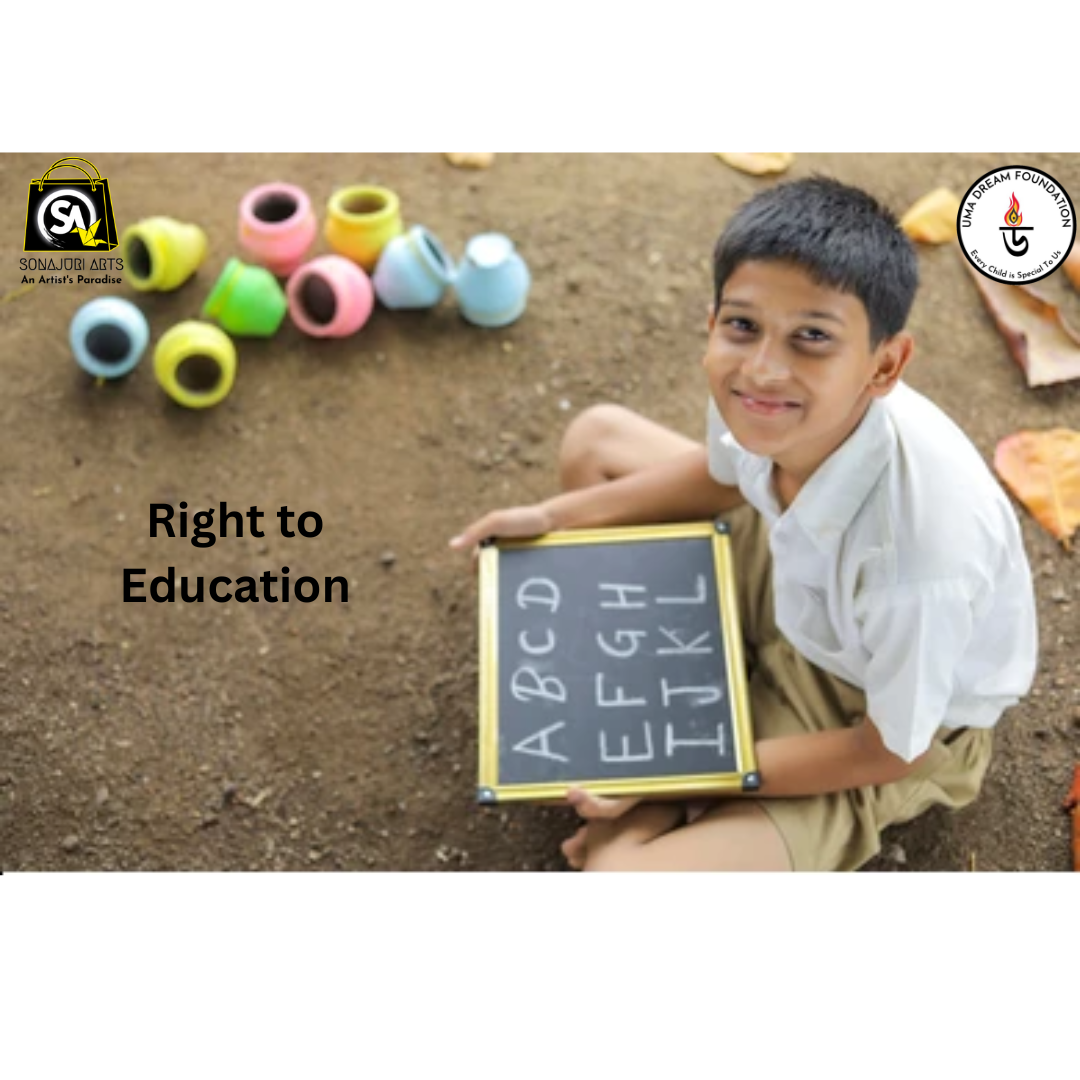
Education is widely recognized as the most powerful tool for social transformation. In a country as diverse and complex as India, access to quality education plays a crucial role in shaping social equality and ensuring inclusive development. The Right to Education (RTE) is not merely a policy initiative—it is a constitutional commitment to create a more just and equitable society. By guaranteeing free and compulsory education to children, the RTE Act aims to bridge social divides rooted in caste, class, gender, and economic inequality.
This blog explores how the Right to Education contributes to social equality in India, the progress achieved so far, the challenges that remain, and the way forward.
Understanding the Right to Education in India
The Right to Education Act, 2009, came into force on April 1, 2010, following the insertion of Article 21A into the Indian Constitution. It mandates free and compulsory education for all children aged 6 to 14 years. The Act sets minimum standards for school infrastructure, teacher qualifications, pupil-teacher ratios, and learning environments.
More importantly, RTE recognizes education as a fundamental right, shifting it from a policy objective to a legal entitlement. This shift has profound implications for social equality, as it obligates the state to ensure that no child is denied education due to poverty, discrimination, or social disadvantage.
Education as a Foundation for Social Equality
Social equality refers to a condition where all individuals have equal rights, opportunities, and access to resources. In India, historical inequalities based on caste hierarchy, gender bias, regional disparity, and economic status have long restricted access to education for large sections of society.
The Right to Education directly addresses these disparities by:
Ensuring universal access to schooling
Reducing barriers related to cost and discrimination
Promoting inclusion of marginalized communities
Creating equal learning opportunities at an early age
By enabling children from disadvantaged backgrounds to enter and remain in schools, RTE lays the groundwork for long-term social mobility.
Addressing Caste-Based Inequality Through RTE
Caste-based exclusion has been one of the most persistent forms of social inequality in India. For generations, children from Scheduled Castes (SCs) and Scheduled Tribes (STs) faced restricted access to formal education.
The RTE Act promotes social equality by:
Prohibiting discrimination in schools
Mandating neighborhood schools to ensure accessibility
Reserving seats for economically weaker sections in private unaided schools
Providing special training for children from disadvantaged groups
By integrating children from different social backgrounds within the same classrooms, RTE encourages social interaction, mutual respect, and the breakdown of traditional social barriers.
Right to Education and Gender Equality
Gender inequality in education remains a critical concern, particularly in rural and economically backward regions. Girls are often denied education due to early marriage, domestic responsibilities, and social norms.
The Right to Education plays a vital role in promoting gender equality by:
Making education free, reducing financial pressure on families
Ensuring safe school environments and basic facilities
Encouraging enrollment and retention of girl students
Supporting schemes linked with RTE such as mid-day meals and scholarships
Educated girls are more likely to become economically independent, make informed life choices, and contribute positively to society. Thus, RTE helps break the cycle of gender-based inequality.
